The Dubai to Oman bus is the cheapest way to travel from the UAE to Muscat — but it changed completely in 2023, and most websites still describe the old service. The famous AED 55 RTA–Mwasalat Route 201 coach was suspended in February 2023 and has not resumed. Today, the direct Dubai to Muscat bus is run by the private operator Al Khanjry Transport, with three departures a day at AED 100 one-way. This guide covers the current Al Khanjry timings and prices, the Mwasalat alternatives from Abu Dhabi and Sharjah, the Sohar stop, border fees and visa rules, and your options for continuing to Salalah.
Dubai to Muscat Bus — Quick Facts
| Current operator | Al Khanjry Transport (direct Dubai–Muscat) |
| Ticket price | AED 100 one-way (AED 90 when booked online) |
| Departures from Dubai | 3 daily — approx. 7:00 AM, 3:30 PM, 11:00 PM |
| Departure point | Al Khanjry office, behind DNATA Building, Deira (near Abu Hail) |
| Arrival point | Athaiba (Azaiba) Bus Station, Muscat — via Sohar and Al Khoudh |
| Journey time | 6–7 hours including the border stop |
| Border crossing | Hatta (UAE) / Al Wajajah (Oman) |
| UAE exit fee | AED 35 per person, paid at the border |
| Booking | alkhanjryonline.com, operator offices, or WhatsApp |
| Old RTA Route 201 (AED 55) | Suspended since February 2023 — do not rely on it |
Last verified: 2 November 2026. Cross-border schedules change more often than domestic ones — confirm your departure on the operator’s booking site before you travel.
Is the RTA Dubai to Oman Bus Still Running?
No — and this is the single most important fact on this page. From 2019 to early 2023, Dubai’s RTA ran Route 201 to Muscat in partnership with Mwasalat, Oman’s national transport company, for just AED 55 one-way (AED 90 return). Buses left Abu Hail, Dubai Airport Terminal 2 and Al Rashidiya three times a day. That service was suspended in February 2023 and, at the time of writing, has not come back. Dozens of blogs still list the AED 55 fare and the old Abu Hail/Rashidiya timetable as if nothing changed — if you turn up expecting a 55-dirham RTA coach, you will be disappointed.
The good news is that the route itself never disappeared. Al Khanjry Transport, a long-established Omani operator, now runs the direct Dubai–Muscat service on a similar pattern of three departures a day, and Mwasalat still connects Oman with Abu Dhabi (Route 202) and Sharjah (Route 203). Below is how each option works in practice.
Al Khanjry Transport: The Direct Dubai to Muscat Bus
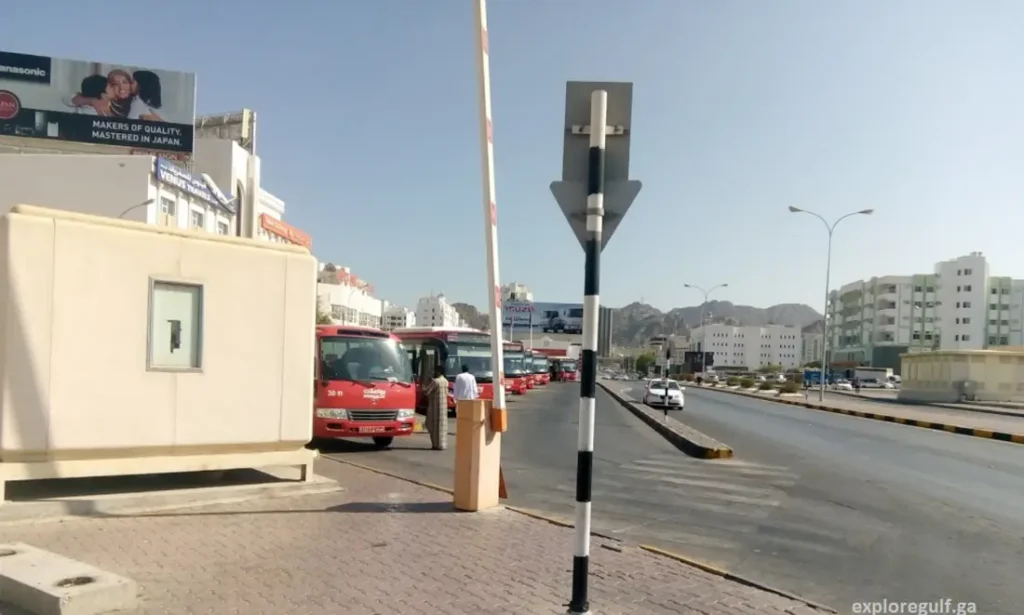
Al Khanjry is currently the only operator running a direct bus from Dubai to Muscat. Coaches depart from the company’s office behind the DNATA Building in Deira, a short walk from Abu Hail Metro station on the Green Line — the same neighbourhood the old RTA service used. In Muscat, buses terminate at Athaiba (also spelled Azaiba) Bus Station, with drop-offs at Sohar and Al Khoudh along the way.
Dubai to Muscat bus timings
Al Khanjry runs three departures a day in each direction. Timings follow the pattern the route has used for years, but treat them as approximate and confirm when you book:
| Direction | Morning | Afternoon | Night |
|---|---|---|---|
| Dubai (Deira) → Muscat | ~7:00 AM | ~3:30 PM | ~11:00 PM |
| Muscat → Dubai | ~6:00 AM | ~3:00 PM | Evening/night departure — confirm when booking |
The overnight departure is popular with visa-run travellers and people who want a full first day in Muscat; the morning bus is better if you dislike arriving after midnight. On the return leg, Muscat departures leave from the Al Khanjry office in Ruwi/Athaiba. Journey time is roughly 6 to 7 hours depending on how busy the Hatta border post is — on public holidays, add at least an hour.
Dubai to Muscat bus ticket price
A one-way Dubai to Oman bus ticket price with Al Khanjry is AED 100 bought at the office, or AED 90 if you book on the operator’s online portal — the 10% online saving is worth taking, and online booking also guarantees your seat on busy weekends. Budget for the separate AED 35 UAE exit fee at the border, which is never included in the ticket. If your nationality needs an Oman visa on arrival, that is a further cost (around OMR 20 for a 30-day visit visa for those eligible) — many nationalities, including most GCC residents travelling on eligible passports, enter Oman visa-free for 14 days, but check your own status before you go.

How to Book the Dubai to Oman Bus
- Online: book and pay on Al Khanjry’s booking portal (alkhanjryonline.com) — cheapest fare and a confirmed seat.
- At the office: buy at the Al Khanjry office behind the DNATA Building in Deira, or at their Ruwi office in Muscat for the return.
- By phone/WhatsApp: the operator takes reservations by phone and WhatsApp; pay attention to the pickup point they confirm, as Dubai boarding is at the office, not inside a public bus station.
- Arrive early: be at the departure point at least 45–60 minutes before departure with your passport — cross-border coaches do not wait, and document checks happen before boarding.
The Border Crossing: What to Expect
The Dubai–Muscat coaches cross at Hatta (UAE side) and Al Wajajah (Oman side). The bus stops, everyone gets off with their luggage, and you pass UAE exit immigration (where the AED 35 exit fee is collected), then Omani entry immigration and a customs/baggage check, before re-boarding the same coach. Keep your passport, Emirates ID (if you are a UAE resident), and any Oman eVisa approval in your hand luggage — you will need them twice. Processing is usually 30–60 minutes for a full coach; on Eid and National Day weekends it can take much longer, which is the main reason journey times stretch to 7+ hours.
Dubai to Sohar Bus
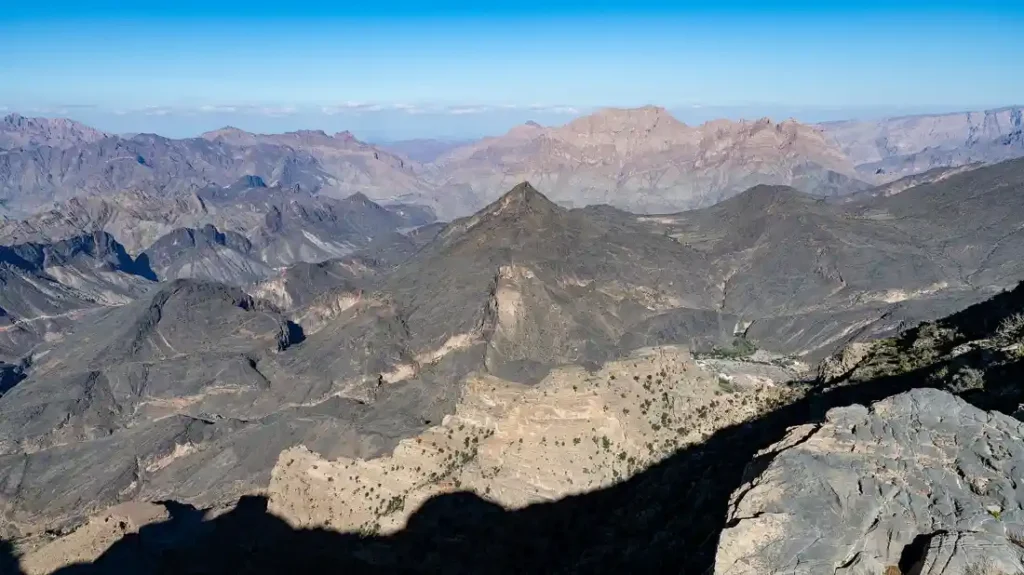
Sohar is the largest Omani city on the way to Muscat, and the Al Khanjry coaches stop there (around 3.5–4 hours from Dubai), as do the Sharjah–Muscat Route 203 buses described below. If Sohar is your destination, book the Muscat service and tell the operator you are alighting at Sohar; fares for the shorter hop are confirmed at booking. Sohar is also the historic boarding point for the return journey — the old Route 201 priced Sohar–Dubai at OMR 5.5, but that fare died with the suspended service, so ignore any page still quoting it.
From Abu Dhabi to Oman: Mwasalat Route 202
If you are starting from the capital, you do not need to come to Dubai. Mwasalat operates Route 202 from Abu Dhabi Central Bus Station to Azaiba Bus Station in Muscat, bookable online on the official Mwasalat website. It runs once daily (departing Abu Dhabi late morning, around 10:45 AM) at AED 110 one-way, crossing into Oman via the Al Ain/Buraimi border area and taking roughly 6–8 hours including formalities. Coming from Dubai, reaching Abu Dhabi first is easy on the E100/E101 intercity coaches — see our Dubai to Abu Dhabi bus guide — but for most Dubai-based travellers the direct Al Khanjry coach is simpler.
From Sharjah to Oman: Mwasalat Route 203
Sharjah has its own official Oman service: Route 203, run by Mwasalat with Sharjah’s SRTA from Al Jubail Bus Station to Azaiba in Muscat via Kalba, the Khatmat Milaha border, Shinas and Sohar. Under the revised 2026 schedule, buses leave Sharjah at 6:30 AM, 3:30 PM and 8:30 PM, with returns from Muscat at 7:00 AM, 1:30 PM and 3:00 PM; the coastal route takes around 8–9 hours. Reaching Al Jubail from Dubai is covered in our Dubai to Sharjah bus guide, and the full timetable is in our dedicated Sharjah to Muscat bus guide. Al Khanjry also offers pickups from Sharjah and Ajman on some Dubai–Muscat departures — check the route list when you book online.
Al Ain to Oman Buses
Al Ain sits directly on the Omani border opposite Buraimi, and queries for an Al Ain to Muscat bus are common. There is no separate high-frequency Al Ain–Muscat coach to rely on: the practical options are the Mwasalat Route 202 corridor through the Buraimi/Al Ain border area (confirm the current boarding arrangements on the Mwasalat website) or travelling from Al Ain to Abu Dhabi or Dubai first and taking Route 202 or Al Khanjry from there. Do not rely on old blog posts listing direct Al Ain departures without checking the operator first.
Dubai to Salalah Bus: Your Options
Salalah, in Oman’s Dhofar region, is over 1,200 km from Dubai and there is no direct daily public bus. Your realistic options are:
- Seasonal/private coaches: operators such as Alemarat Express have run direct Dubai–Salalah coaches from Gold Souq Bus Station on selected days (reported at 2:00 PM departures, around 17 hours, from AED 150 one-way), and Gulf Transport Company (GTC) sells VIP seats from Deira on booking platforms. Schedules are seasonal and expand during the Khareef monsoon season (June–September) — always book ahead.
- Via Muscat: take Al Khanjry or Route 203 to Muscat, then a Mwasalat intercity bus from Azaiba/Ruwi to Salalah (around 12 hours more). Total journey can exceed 24 hours with the connection.
- Fly if time matters: for a short Khareef trip, direct flights are often worth it; the bus is a budget and adventure choice, not a time-saver.
Visa Change by Bus to Oman
A large share of Dubai–Oman bus passengers are doing an airport-to-airport alternative: the Oman visa change run. UAE visit-visa holders who are eligible for an Oman visa (or visa-free entry) travel to Muscat or Sohar by bus, exit the UAE, and re-enter on a new visit visa arranged by their travel agency. The mechanics: your agency books the bus seat and processes the new UAE visa while you are in Oman; same-day returns depend on how fast the visa is approved, and many travellers stay one night in Muscat. Two cautions: eligibility rules change frequently and some nationalities cannot do a border run at all, and you must never overstay in Oman waiting for paperwork — your agency should confirm the full process before you board. This is an informational summary, not immigration advice.
Step-by-Step: Taking the Bus from Dubai to Muscat
- Check your passport validity (6 months is the safe standard) and your Oman entry eligibility; apply for an eVisa in advance if required.
- Book your seat online with Al Khanjry (or Mwasalat for Routes 202/203) and screenshot the booking.
- Reach the DNATA Building area in Deira — Abu Hail Metro (Green Line) is the nearest station — at least 45 minutes early.
- Check in at the office, show your passport, and keep it in your hand luggage with your phone charger and water.
- At the Hatta border, get off with all bags, pay the AED 35 exit fee, complete UAE exit and Oman entry formalities, and re-board the same coach.
- In Muscat, the coach terminates at Athaiba (Azaiba) Bus Station, from where Mwasalat city buses and taxis cover the city; Ruwi is the main hub for onward connections.
Rules and Tips for the Oman Bus Journey
- Documents: passport is mandatory for everyone, including GCC residents who might otherwise travel on ID cards within the Gulf — bus operators require passports for the manifest.
- Luggage: coaches have a hold for suitcases plus a small cabin bag; confirm the allowance when booking, especially on Salalah services.
- Money: carry some Omani rials or a card that works in Oman for the visa fee (if applicable), food stops and the return exit formalities.
- Food and rest stops: coaches stop at services en route; the full Dubai–Muscat run has limited stops, so bring snacks and water.
- Overnight buses: the 11:00 PM departure crosses the border in the small hours — keep documents in an easy-access pocket and expect to be woken for immigration.
Frequently Asked Questions
How much is the Dubai to Oman bus ticket price?
The direct Dubai to Muscat bus with Al Khanjry costs AED 100 one-way at the office, or AED 90 booked online. Add the AED 35 UAE exit fee at the border, plus an Oman visa fee if your nationality requires one. The old AED 55 RTA fare no longer exists — that service was suspended in February 2023.
Is the Dubai to Muscat RTA bus still running?
No. RTA Route 201, run with Mwasalat at AED 55, was suspended in February 2023 and has not resumed. The current direct operator is Al Khanjry Transport; Mwasalat now serves the UAE via Abu Dhabi (Route 202) and Sharjah (Route 203) instead.
How long does the bus from Dubai to Muscat take?
About 6–7 hours including the border stop at Hatta/Al Wajajah. Quiet weekday mornings are fastest; public holidays and Khareef season weekends can add one to two hours, mostly at immigration.
Where does the Dubai to Oman bus leave from?
Al Khanjry coaches leave from the operator’s office behind the DNATA Building in Deira, near Abu Hail Metro station. It is not an RTA station departure, so follow the pickup point in your booking confirmation rather than going to Abu Hail Bus Station by default.
Can I take a bus from Dubai to Sohar?
Yes. Al Khanjry’s Muscat coaches stop at Sohar, and Mwasalat Route 203 from Sharjah’s Al Jubail station also runs via Sohar. Alight/board at Sohar by selecting it when you book; the journey from Dubai takes roughly 3.5–4 hours.
Is there a bus from Abu Dhabi to Muscat?
Yes — Mwasalat Route 202 runs daily from Abu Dhabi Central Bus Station to Azaiba, Muscat, at AED 110 one-way, bookable on the official Mwasalat website. It is the best option if you are based in Abu Dhabi or Al Ain.
How do I get from Dubai to Salalah by bus?
There is no direct daily public service. Seasonal private coaches (for example Alemarat Express from Gold Souq, and GTC services from Deira) run on selected days in around 15–17 hours; otherwise, travel to Muscat first and connect to a Mwasalat Muscat–Salalah bus. Book well ahead during Khareef.
Do I need a visa for Oman if I travel by bus?
It depends on your passport. Many nationalities get 14 days visa-free or a visa on arrival; UAE residents of other nationalities may qualify for a resident eVisa. Rules change — verify on the Royal Oman Police eVisa site before travelling, and never board assuming entry is guaranteed.
What is the UAE exit fee at the Oman border?
AED 35 per person, paid during UAE exit formalities at the border post (Hatta for the Dubai route, Khatmat Milaha for the Sharjah route). Keep the receipt until you have fully entered Oman.
Related routes: Sharjah to Muscat Bus (Route 203) · Dubai to Sharjah Bus · Dubai to Abu Dhabi Bus

Daniyal Sheikh
Transport Editor, UAE Travel Hub
Dubai daily commuter covering the Metro, Nol cards, RTA buses and intercity routes across all seven emirates — every fare and timing checked against official RTA, ITC and SRTA sources.